Loading...


Not rent or wages — the quieter costs that go out on autopilot. Insurance. Energy. Phones. Waste. Even the rented plants in reception.
If you’re like most owners, the honest answer is “not recently.” That’s normal. Customers, staff and cash flow come first. A full supplier contract review rarely makes the list.
Those quiet lines are where overlooked business expenses live. In a proper cash outgoing analysis, Bettercosts has seen hidden costs business owners never questioned add up to tens of thousands. Not because anyone was careless — because no one had looked.
Here are five categories most owners skip, with Bettercosts examples of what a review can find — useful expense reduction tips and cost-cutting ideas you can act on, including expense reduction Albury–Wodonga.

Insurance feels too important to touch. You set it up, you pay it, and you leave it alone.
“Just paying it” is the problem.
Policies auto-renew. Premiums creep. Cover stays the same while the business changes. Brokers don’t always flag exemptions or cheaper structures. An insurance premium review is one of the highest-value parts of an expense audit.
What a review often finds
Bettercosts example: A firm had used the same insurance broker for years. Premium rises looked manageable. A contract review found the broker had not recorded that the client was a charity. Charities can be exempt from stamp duty on some premiums. More than $75,000 in stamp duty that should not have been charged was recouped.
You don’t drop cover. You check you’re not overpaying suppliers for it.

Energy is a classic hidden business expense. Contracts end. Accounts roll onto a “deemed” or default rate — often one of the most expensive ways to buy power. Usage changes. Nobody renegotiates.
What a review often finds
What it looks like in practice: A hospitality business stayed with the same retailer for years. After the contract ended, they were rolled onto a costly rate without noticing. An outgoing review moved them onto a competitive fixed deal and recovered overcharges — a five-figure recovery plus thousands in ongoing energy costs business savings.
Expense reduction: Albury and regional sites are often on older contracts because there’s no procurement team watching renewal dates.

Phone systems, broadband and mobile plans are easy to ignore. They’re not huge on any one invoice. Over a year they add up.
Plans are sold for last year’s headcount. Lines stay active after staff leave. “Business” bundles include extras you don’t use.
What a review often finds
This is straightforward cost reduction: same service, better rate, or the same capability with fewer lines. A supplier contract review here is usually low disruption.

Waste collection, cleaning, security, hygiene and maintenance often sit on multi-year agreements with automatic increases. The invoice looks normal because it always has.
Then there are the contracts nobody files under “strategy”: water coolers, coffee, printers, and yes — plants.
Bettercosts example: One firm rented office flowers and plants at $600 a month. The arrangement had run for more than three years — $21,600 on plants. Bettercosts negotiated one more payment, and the business kept the plants, saving about $7,200 a year. Small monthly amounts compound.
Another pattern: A manufacturer’s waste contract included automatic annual increases. Compared with the market, they were paying close to double. Renegotiation saved thousands a year. The review took less than a week.
If it renews itself, it belongs on the list of overlooked business expenses.
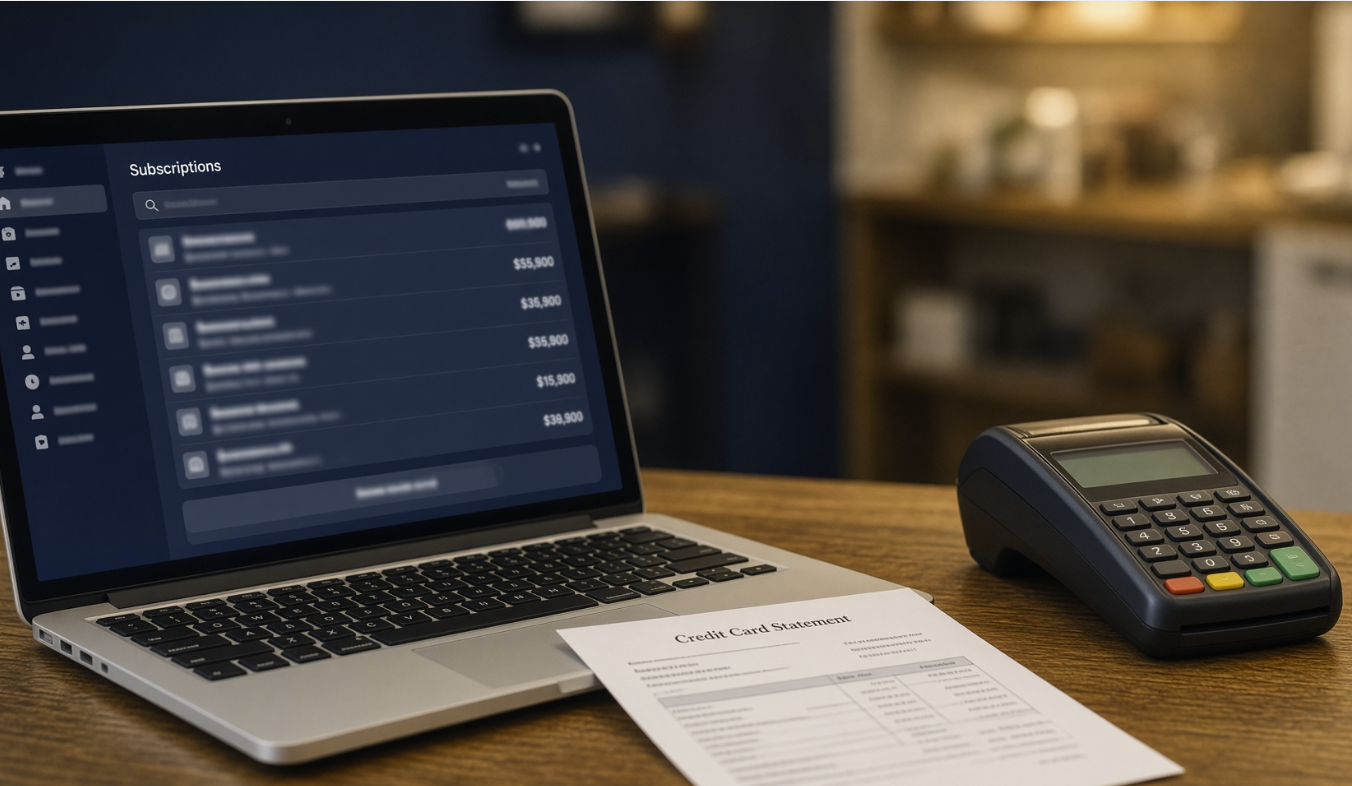
Digital spend hides in credit-card statements. Payment fees hide in the settlement report. Both are easy to miss in a casual glance at “the big costs.”
Software
Merchant and payment fees
Rates that were fine when turnover was smaller often stay put as volume grows. A 0.3–0.4% difference on real turnover is serious money.
What it looks like in practice: A professional services firm cut software spend by around 40% — overlapping project tools, an unused video platform, oversized cloud storage — without reducing what the team could do. A retailer who had never tested merchant rates against current volume saved thousands a year after a renegotiation.
These are some of the fastest cost-cutting ideas businesses can implement because switching is often administrative, not operational.
Why these five stay unreviewed
That’s why hidden costs business-wide sit in plain sight. A cash-outflow analysis is simply someone whose job is to look.


Get flexible access to 35+ years of corporate accounting expertise to steer your business growth, manage investment, and improve performance.
Meet Your Fractional CFO